Skip to product information
1 of 1

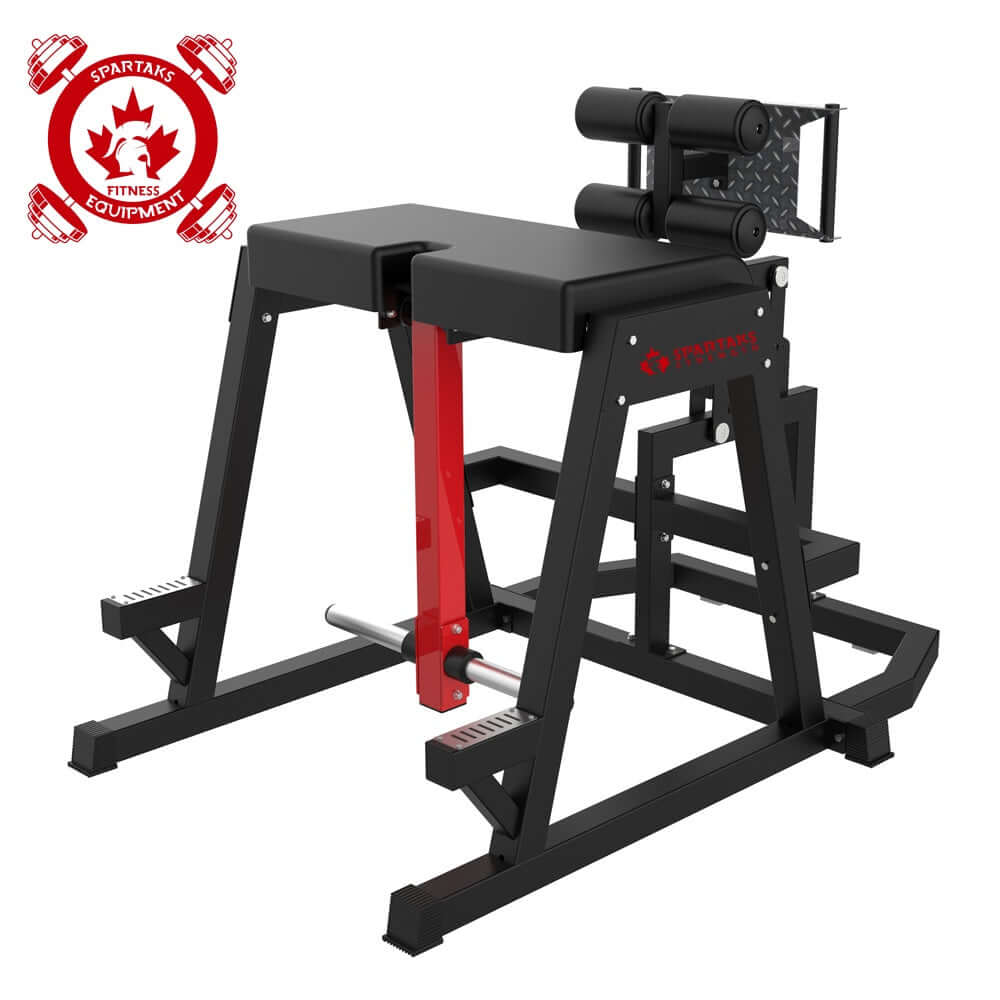
Spartaks Strength Reverse Hyperextension Machine

Spartaks Strength Reverse Hyperextension Machine

Regular price $1,300.00 CAD
Regular price $1,500.00 CAD Sale price $1,300.00 CAD
Sale Sold out
Shipping calculated at checkout.
Quantity

The Spartaks Strength Reverse Hyperextension Machine is a specialized posterior-chain training station engineered for glute, hamstring, and lower back development through a controlled swinging movement that minimizes spinal compression. Featuring a guided arc motion and plate-loaded resistance for progressive overload, this machine delivers the focused posterior development that commercial fitness facilities and dedicated home gyms across Canada demand for building powerful hips, strong hamstrings, and a resilient lower back with rehabilitative benefits.

Reverse Hyperextension
Plate Loaded
Heavy-Duty Steel Frame
Lifetime Warranty

Key Features

Spine-Sparing Design

The reverse hyperextension movement uniquely trains the posterior chain without compressive loading on the spine. Unlike deadlifts or good mornings where the spine bears significant load, this machine allows you to strengthen the lower back, glutes, and hamstrings while the spine moves through a safe range of motion—making it invaluable for those with back concerns or those seeking to prevent them.

Controlled Swinging Arc

The pendulum-style movement follows a guided arc that maximizes posterior chain engagement throughout the range of motion. The controlled path ensures proper form and muscle recruitment during both the concentric lifting phase and eccentric lowering phase, providing consistent stimulus for strength and hypertrophy development.

Plate-Loaded Resistance System

Compatible with Olympic plates for progressive overload, the loading post is positioned to provide optimal resistance leverage throughout the movement. The plate-loaded design allows unlimited weight capacity for advanced athletes while enabling micro-loading for precise progression in rehabilitation settings.

Padded Support Platform

The generously padded platform provides comfortable support for your torso while maintaining proper positioning during the movement. The pad height and angle are designed to optimize the hip hinge position, ensuring maximum posterior chain recruitment while keeping the spine in a safe, neutral alignment throughout the exercise.

Heavy-Duty Steel Construction

Built with commercial-grade steel tubing and reinforced pivot points, this reverse hyperextension machine withstands heavy plate loading and high-traffic gym use. The robust frame provides rock-solid stability during dynamic swinging movements, delivering professional-grade performance for years of reliable posterior chain training.

Adjustable Ankle Straps

The secure ankle attachment system keeps your legs properly positioned throughout the movement, ensuring consistent resistance and proper form. The adjustable design accommodates users of different sizes and allows for comfortable positioning whether you're performing controlled rehabilitation movements or explosive athletic training.

Specifications

Exercise Focus Glutes, hamstrings, lower back
Movement Type Reverse hyperextension
Resistance Type Plate-loaded
Frame Construction Heavy-duty steel
Intended Use Home and commercial gyms
Primary Muscle Groups Gluteus maximus, hamstrings, erector spinae
Secondary Muscles Gluteus medius, adductor magnus, calves
Movement Pattern Hip extension with spinal decompression
Resistance System Olympic plate-loaded pendulum
Frame Material Commercial-grade heavy-duty steel
Motion Path Guided pendulum swinging arc
Adjustability Ankle strap position, pad height
Support Features Padded torso platform, secure ankle straps
Equipment Category Posterior-chain training machine
Usage Environment Home gyms, commercial fitness facilities
Warranty Lifetime frame warranty

Target Muscles

Gluteus Maximus

The primary mover during the reverse hyperextension, the gluteus maximus powers hip extension throughout the movement. The exercise position places the glutes under constant tension through a full range of motion, developing the power and size essential for athletic performance, sprinting mechanics, and the aesthetic development of well-shaped, strong glutes.

Hamstrings

The hamstring muscle group works synergistically with the glutes during hip extension, receiving significant activation throughout the movement. The controlled swinging motion emphasizes the lengthened position at the bottom, developing hamstring strength and resilience that transfers to sprinting, jumping, and knee joint stability.

Erector Spinae

The lower back muscles work dynamically during the reverse hyper, moving through a range of motion rather than statically holding as in many posterior chain exercises. This dynamic strengthening builds lower back resilience and endurance without the compressive loading that can aggravate spinal issues—making it invaluable for both rehabilitation and prehabilitation.

Exercises You Can Perform

Standard Reverse Hyperextension

The foundational movement for posterior chain development. Position your torso on the pad with legs hanging, secure your ankles, and swing your legs upward through hip extension. Focus on squeezing your glutes at the top and controlling the descent for maximum muscle recruitment throughout the full range of motion.

Bodyweight Reverse Hyper

Perform the movement without added weight for rehabilitation, warm-up, or high-repetition endurance training. This variation is ideal for those recovering from back injuries or learning the movement pattern, building posterior chain strength and motor control without external loading.

Weighted Reverse Hyperextension

Add plates to the loading post for progressive overload and maximum strength development. The added resistance increases muscle fiber recruitment and provides the stimulus needed for hypertrophy and athletic power development in advanced lifters and athletes.

Tempo Reverse Hyperextension

Control the timing of each phase—such as a 3-second eccentric and explosive concentric—to increase time under tension and emphasize different aspects of the movement. This variation is excellent for rehabilitation protocols and athletes seeking specific adaptations for their sport.

Ideal For

Home Gym Owners Commercial Facilities Rehabilitation Athletic Development Back Health Posterior Chain Training

Shipping & Pickup

Toronto Pickup

Available for local pickup at our Toronto, Ontario warehouse location. Schedule your pickup time after placing your order for convenient equipment collection.

Calgary Pickup

Available for local pickup at our Calgary, Alberta warehouse. Arrange your pickup appointment after ordering for efficient equipment retrieval.

Canada-Wide Shipping

We ship across all Canadian provinces via freight carriers. Shipping costs calculated at checkout based on your location for transparent delivery pricing.

Frequently Asked Questions

The reverse hyperextension is uniquely spine-friendly because it trains the posterior chain without axial loading. Unlike deadlifts, squats, or good mornings where weight compresses the spine from above, the reverse hyper loads the legs while your torso is supported on the pad. The movement actually creates traction—pulling the vertebrae apart slightly during the exercise—which can provide relief for those with disc issues or compression-related back pain. This makes it one of the few exercises that strengthens the lower back while simultaneously decompressing the spine, rather than adding stress to it. Many physical therapists and rehabilitation specialists use this movement precisely for these properties.

Both exercises effectively target the hamstrings, but they work the muscle differently and complement each other well. Romanian deadlifts load the hamstrings in a lengthened position with the spine under load, building eccentric strength and hip hinge mechanics. The reverse hyper works the hamstrings through a different range, emphasizing the shortened position at the top and providing more constant tension throughout. The reverse hyper also allows for higher training volumes without lower back fatigue limiting your sets, since the spine is decompressed rather than loaded. For complete hamstring development, consider using both—Romanian deadlifts for strength and hip hinge patterning, and reverse hypers for volume, rehabilitation, and training the posterior chain without spinal stress.

The reverse hyperextension is one of the most widely recommended machines for back rehabilitation, though you should always consult with your healthcare provider before starting any exercise program after injury. The decompressive effect on the spine, combined with the ability to strengthen the erector spinae through a full range of motion, makes it invaluable for many back conditions. You can start with bodyweight only and small ranges of motion, gradually progressing to full range and added weight as strength and comfort improve. The controlled movement path and supported position eliminate many of the variables that can cause re-injury with free-weight exercises. Many physical therapy clinics and sports medicine facilities include reverse hypers in their rehabilitation protocols specifically for these benefits.

The plate-loaded design offers several advantages for reverse hyper training. Weight capacity is unlimited based on your plate collection, allowing strong athletes to load the movement heavily for maximum strength development. The pendulum action of the plates creates a natural resistance curve that feels smooth and consistent throughout the movement. For rehabilitation settings, the ability to micro-load with small plates enables precise progression in safe increments. The direct loading also provides immediate feedback—you can feel exactly how much resistance you're moving, which helps with progressive overload tracking. The simplicity of the plate-loaded design also means minimal maintenance and fewer mechanical components that could wear over time compared to selectorized alternatives.

The lifetime warranty covers the steel frame structure, pivot mechanism, and loading post against defects in materials and workmanship under normal use conditions. This includes the main frame, pendulum arm assembly, pivot bearings, weight post, and structural welds. The warranty reflects our confidence in the commercial-grade construction and ensures your investment is protected for years of focused posterior chain training. Wear items such as upholstery, padding, ankle straps, and bushings may have separate coverage terms—contact our Toronto or Calgary support team for complete warranty details and product registration. This machine is built to withstand the demands of both dedicated home use and high-traffic commercial rehabilitation and training environments.

View full details